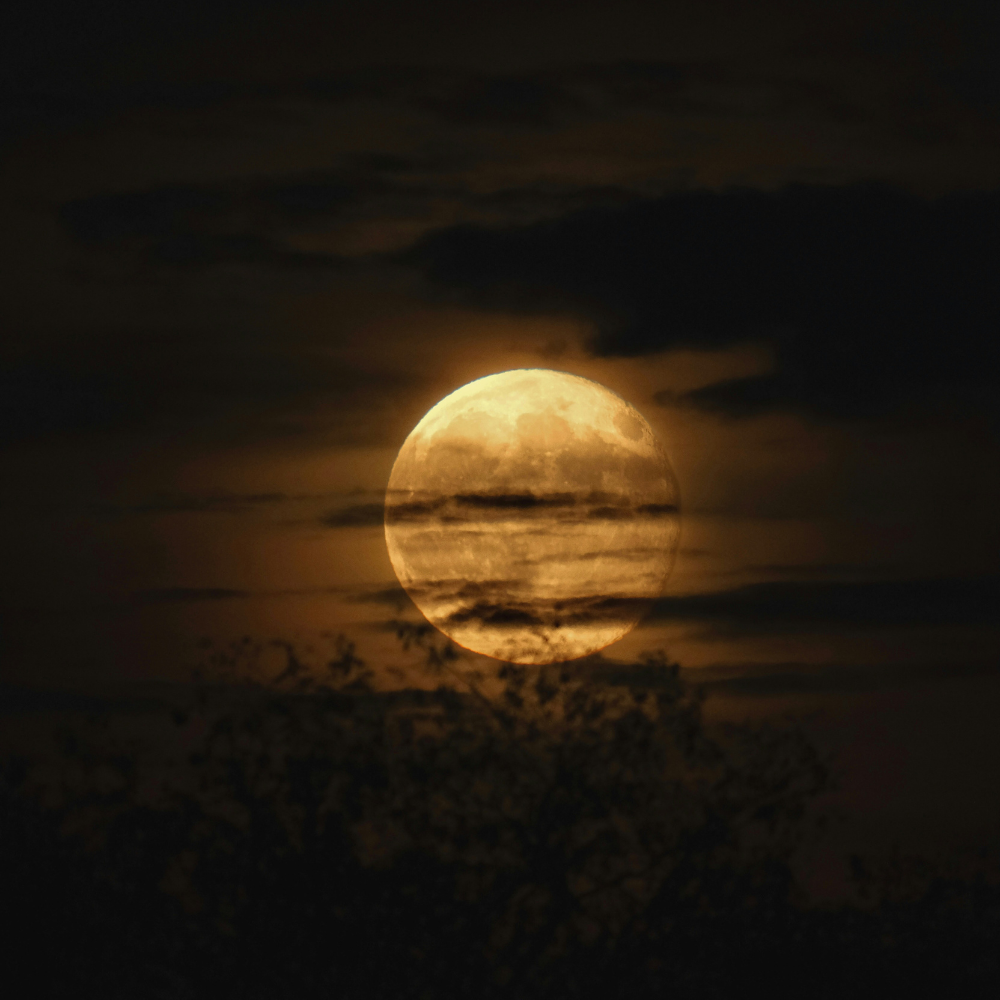




Have you ever wondered how the Strawberry Moon got its name? Originally, the Full Moon names helped to track the seasons, unlike today where they are more inspirational “nicknames” rather than literal guides for the time of the year.
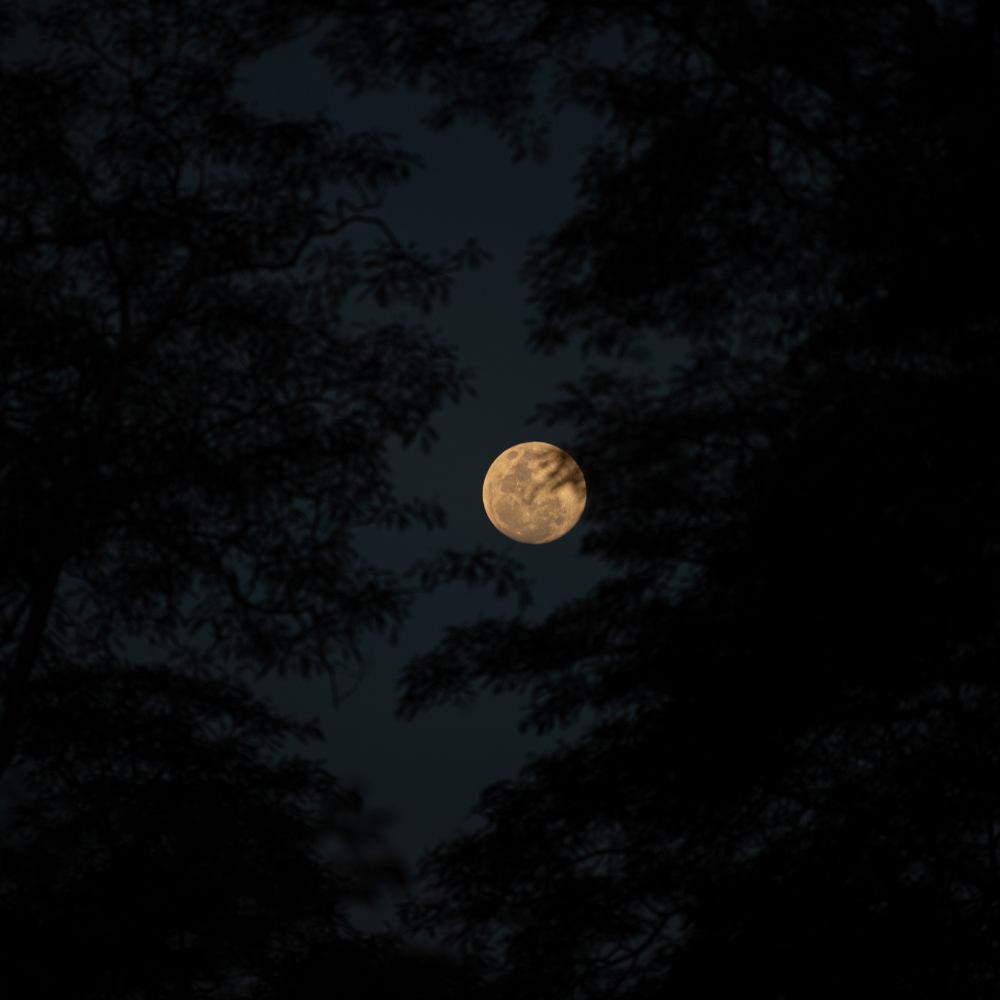
It is said, that the most familiar Full Moon names for us, have been passed down through the generations via Native American, Colonial American or other traditional North American sources, but we should say that many cultures have their own moon names. The traditional names we have chosen, are English interpretations of the original Native American words, to describe a time when the lunar month was a marker of the passing of time, way before the calendar months we use today had been developed.
So let us take you on a moonlit journey through a lunar year…
January – Wolf Moon
Traditionally, the January moon is named after the wolf, because it was at this time of year when the wolves were often heard howling the most. Howling to wolves is an intricate form of communication; to locate their pack, to mark their territory, enforce social ties and to gather the members of the pack to hunt.
February – Snow Moon
The Snow Moon simply got its name from the snow that fell at this time of year.
March – Worm Moon
The Worm Moon was originally thought to be named after an increase in earthworms, due to a warming of the spring soil at this time of year.
April – Pink Moon
The long-awaited appearance of the “moss pink” Ground Phlox was the inspiration for this Full Moon. These pink wild flowers were a sure sign that Spring had sprung.
May – Flower Moon
This Full Moon was so named due to the abundance of flowers bursting into bloom around this time.
June – Strawberry Moon
Given the origin of the Full Moon names, this moon was named after the perfect time of year to harvest the ripening strawberries in the area which is now known as the Northeastern United States.
July – Buck Moon
Traditionally it was said that this time of year was when a male deer, a.k.a. the buck’s, antlers were fully grown and at their most majestic.
August – Sturgeon Moon
It was said that during this moon, the sturgeon congregating in the Great Lakes were at their most ready to be caught!
September – Harvest Moon (or Corn Moon)
This moon correlates to the best time to harvest the corn. It is worth noting that according to another tradition, the Harvest Moon is always the Full Moon that takes place closest to the September Equinox. Most years, this occurs in September but every three years, it finds itself in October. (NB: the astronomical seasons do not tie in with the lunar month.) If the Harvest Moon does then appear in October, the September Full Moon can have its named replaced to be the Corn Moon instead. In the same way, the Hunter’s Moon will always come after the Harvest Moon. (NB: the last two conditions are not according to Native American tradition.)October – Hunters Moon
This name came around because this was the time of year was when the “game” would be fattened for Winter. Traditionally this was the time for hunting, collecting and plenishing the stores for the long winter months ahead – something we don’t have to think as much about these days!
November – Beaver Moon
The Beaver Moon got its name due to the fact that it was traditionally at this time of year when beavers would be busying away, finishing preparing their dams for Winter.
December – Cold Moon
The final Full Moon of the lunar calendar was given its name because this was traditionally when the winter cold spell would take its toll and the nights would be at their longest and darkest.